
- All
- Product Name
- Product Keyword
- Product Model
- Product Summary
- Product Description
- Multi Field Search
Views: 0 Author: Site Editor Publish Time: 2026-07-31 Origin: Site
Catheter-Related Bloodstream Infections (CRBSIs) and catheter occlusions present an ongoing clinical burden in modern vascular access management. They cause severe patient complications and drive up operational burdens for hospitals globally. For years, clinicians relied heavily on legacy positive and negative displacement connectors. These older designs often required highly specific clamping sequences to prevent blood reflux, leaving ample room for user-dependent errors during fast-paced shifts. Today, the clinical standard has firmly shifted toward neutral displacement technology. By implementing neutral needle free valve connector equipment, healthcare facilities can effectively mitigate blood reflux into the catheter lumen. This technology standardizes nursing workflows, removes the guesswork from line maintenance, and protects vulnerable patients from harm. In this article, we define how these advanced valves function to maintain fluid equilibrium. We will also outline the strict criteria healthcare facilities should use when evaluating these devices for safe, standardized procurement.
Zero Displacement Design: Neutral valves prevent blood from being drawn back into the catheter lumen upon connection or disconnection, significantly reducing occlusion risks.
Workflow Standardization: Unlike positive or negative valves, neutral connectors do not require specific clamping sequences, minimizing user-dependent errors.
Infection Control: Straight fluid pathways and clear housings facilitate thorough flushing and support verifiable infection control protocols.
Procurement Focus: Clinical evaluation should prioritize minimal dead space, blood compatibility, and durable septum design over baseline unit cost.
When vascular access fails, the consequences ripple across the entire care continuum. Blood reflux leads directly to thrombosis and dangerous catheter occlusions. Once blood enters the catheter lumen, platelets begin to aggregate. A fibrin sheath quickly forms, creating a partial or complete blockage. Patients then face drastically increased risks of developing a CRBSI. These severe infections prolong hospital stays and demand intense antibiotic interventions. Facilities experience immense operational strain when nurses must constantly troubleshoot occluded lines or perform entirely new catheter insertions.
Earlier valve designs forced clinicians to adapt to mechanical flaws rather than providing a true solution. Negative displacement valves inherently create a vacuum effect. When you disconnect a syringe from a negative valve, this vacuum immediately pulls a small volume of blood into the catheter tip. Over time, this microscopic reflux causes compounding clot formations. Positive displacement valves attempt to solve this issue by pushing a small fluid bolus forward upon disconnection. However, they rely on a strict clamping sequence to work correctly. Clinicians must remove the syringe first, allow the forward push to occur, and then clamp the line.
Relying on flawless human memory creates a massive vulnerability. Fast-paced clinical environments demand simplicity and consistency. If a nurse accidentally clamps the line before disconnecting a positive valve, blood reflux still occurs. These highly specific nursing techniques create distinct user-dependent risks. Facilities move to neutral designs to eliminate these unnecessary mechanical vulnerabilities. By standardizing your neutral needle free valve connector equipment, you remove human error from the clamping equation entirely.
Clamping a positive displacement valve before syringe disconnection.
Failing to use positive pressure flushing techniques on negative valves.
Assuming all clear valves function with the same internal mechanism.
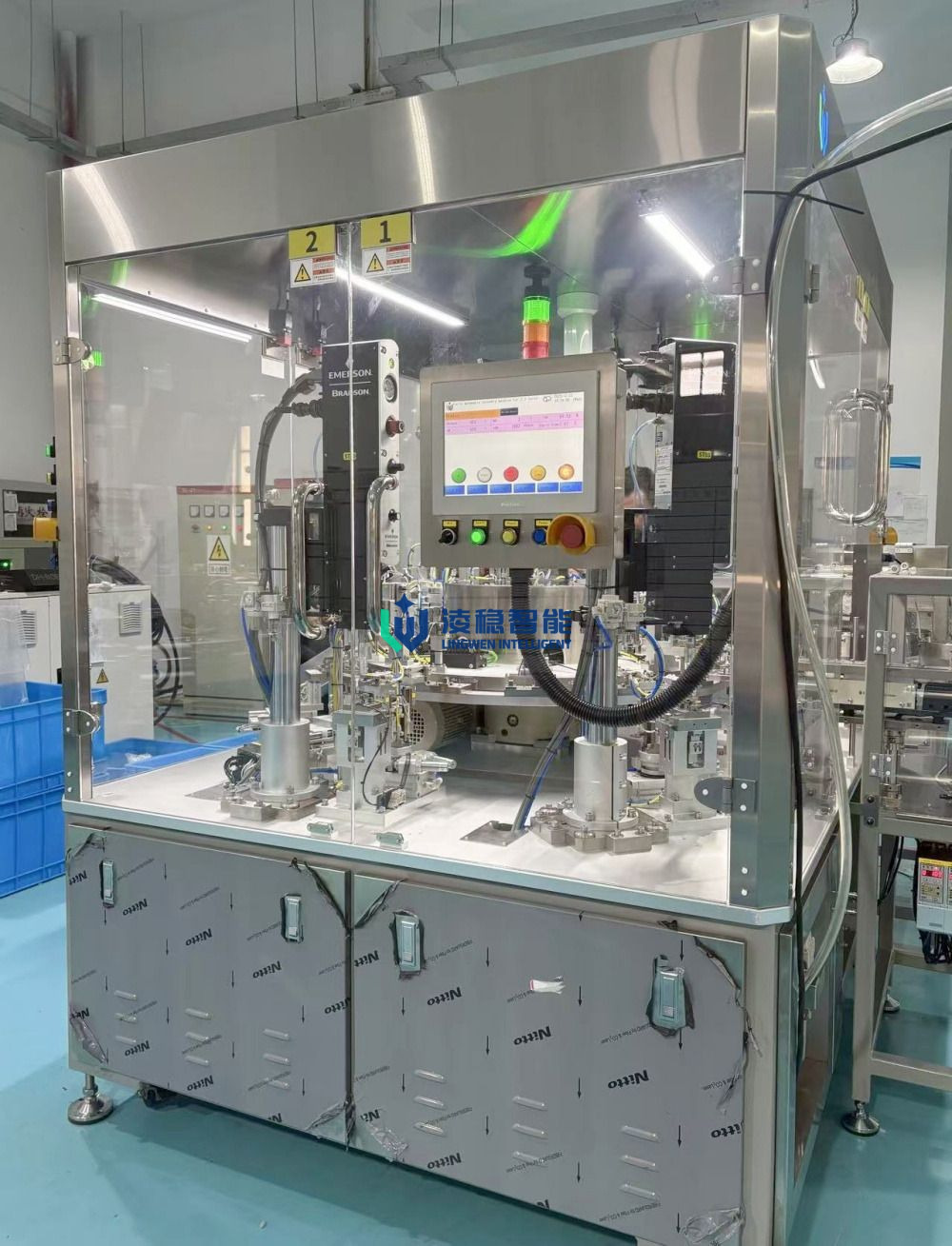
True neutral valves maintain internal fluid equilibrium by mechanical design. Instead of forcing fluid in one direction, they utilize an internal silicone matrix or specialized blunted valve. This internal mechanism actively absorbs pressure changes. When you connect or disconnect a syringe, the internal structure adjusts its shape or volume. It absorbs the kinetic energy without displacing any fluid at the catheter tip. Blood stays completely out of the lumen during the physical action of connecting or disconnecting.
This equilibrium gives nurses incredible clinical freedom. Clinicians can clamp the line either before or after disconnection. It simply does not matter. The device reliably prevents blood reflux regardless of the clamping order. This flexibility standardizes workflows across different hospital departments. A nurse floating from the ICU to a general medical-surgical floor does not need to remember different line maintenance rules. Standardizing the hardware standardizes the behavior.
Several specialized components define a true neutral valve architecture. You will typically see a smooth, flat, swabbable septum. This flat surface ensures rapid and complete physical disinfection. Inside the housing, a precise silicone seal manages the internal pressure dynamic. A straight fluid pathway allows continuous, unrestricted fluid flow. Together, these carefully engineered elements form reliable neutral needle free valve connector equipment designed specifically for high-stress, high-volume clinical environments.
General hospital wards rely heavily on these connectors every single day. They manage complex fluid resuscitation safely and efficiently. Nurses administer multiple rounds of antibiotics through them around the clock. The zero-displacement feature heavily protects the line during these frequent, intermittent access needs. Whether a patient receives continuous hydration or targeted medication pushes, the neutral design prevents progressive lumen compromise.
Vulnerable patients require highly specialized care and absolute line security. High-risk environments like the ICU, Oncology, and the NICU demand flawless performance. Immunocompromised patients face life-threatening threats from even minor CRBSIs. Long-term central venous catheters (CVCs) and Peripherally Inserted Central Catheters (PICCs) demand pristine maintenance over weeks or months. Zero-reflux technology proves critical in these settings. It actively keeps lines patent and infection-free over extended, complicated hospital admissions.
Drawing blood and administering transfusions require exceptionally careful handling. A straight, uncompromised fluid pathway prevents red blood cell damage, a condition known as hemolysis. When cells rupture, laboratory results become skewed, forcing painful redraws. After completing a blood draw, clinicians must flush the line aggressively. The straight internal design allows for total blood clearance. No hidden crevices or mechanical dead zones exist to trap residual blood. This protects the patient from subsequent bacterial colonization and dangerous biofilm development.
Always flush the connector with saline before drawing a sample.
Use a slow, steady pull to avoid internal vacuum pressure and hemolysis.
Immediately flush the connector with a pulsing technique after the draw is complete.
Visually verify that no red residue remains in the connector housing.
Facilities must carefully assess the internal volume of any connector they procure. Lower internal volume, often called dead space, remains absolutely critical. It ensures highly accurate medication dosing. This matters deeply in pediatric and neonatal care environments. When administering potent vasoactive drugs, every single microliter counts. A bulky connector with high dead space traps medication, delaying its delivery to the patient's bloodstream.
You must know exactly when a line is truly clean. Clear housing stands as a non-negotiable procurement requirement. It allows clinicians to visually verify that blood and residual opaque medications (like lipid emulsions) are fully cleared. Opaque or heavily tinted designs hide dangerous residues. If a nurse cannot see a trapped blood clot, they cannot flush it out. That hidden clot quickly becomes a breeding ground for dangerous pathogens.
Evaluate the septum design closely for infection prevention capabilities. A smooth, tight-fitting surface directly prevents bacterial ingress. It must physically support vigorous mechanical scrubbing without degrading. Furthermore, the housing material must withstand standard hospital disinfection protocols. It must endure repeated exposure to isopropyl alcohol, chlorhexidine gluconate, and povidone-iodine without cracking or clouding.
Patient safety always extends to the fundamental raw materials. Evaluate devices carefully for BPA-free, PVC-free, and DEHP-free compliance. DEHP is a plasticizer that can leach into fluids, posing severe risks to neonatal development and reproductive health. Additionally, check for strict adherence to ISO standards regarding Luer lock compatibility. When upgrading, high-quality neutral needle free valve connector equipment must integrate seamlessly with your existing syringes, IV tubing, and extension sets.
Valve Connector Evaluation Metrics
| Criteria | Focus Area | Clinical Impact |
|---|---|---|
| Dead Space | Internal volume capacity | Ensures precise pediatric medication dosing |
| Housing Clarity | Material transparency | Allows immediate visual confirmation of flushing |
| Septum Design | Surface smoothness and fit | Facilitates complete microbial disinfection |
| Material Safety | DEHP/PVC/BPA presence | Prevents chemical exposure in vulnerable populations |
Upgrading medical hardware dramatically improves safety, but human factors always remain. Neutral valves reduce mechanical risks significantly. However, they do not ever replace strict aseptic technique. Clinicians must still follow rigorous hygiene protocols. Installing advanced valves gives a false sense of security if nurses abandon basic infection control principles. Hardware supports the clinician; it does not replace their critical judgment.
Disinfection remains your absolute first line of defense against pathogens. The classic "scrub the hub" protocol applies universally. You must rigorously disinfect the hub for the required duration, typically 10 to 15 seconds of active friction, regardless of the valve type used. A brilliantly engineered neutral mechanism simply cannot compensate for poor surface hygiene. Ensure alcohol pads or specialized disinfection caps are always readily available at the bedside.
Transitioning clinical teams requires focused, sustained educational effort. Nurses build deep muscle memory over years of practice. Moving from older positive or negative valves to advanced neutral needle free valve connector equipment changes specific, ingrained workflows. Facilities must formally update their standard operating procedures (SOPs). Clinical educators should run hands-on, interactive workshops. These sessions help staff safely overwrite outdated muscle memory before interacting with real patients.
Every mechanical device degrades over time under clinical stress. Facilities must track daily activations. Determine the maximum number of accesses a specific valve can safely handle. Based on accepted guidelines, most degrade after 7 days or 100 separate activations. Clinical practice must include clear, visual tracking methods, such as dated labels. This ensures nurses proactively replace units before their internal structural integrity fails and compromises the sterile barrier.
Adopting advanced neutral displacement technology represents a critical investment in standardized vascular care. It actively prioritizes daily patient safety by virtually eliminating the mechanical causes of blood reflux. By removing the strict reliance on clamping sequences, it vastly simplifies complex nursing workflows. This simplicity reduces errors, saves valuable clinical time, and directly protects patients from dangerous occlusions and bloodstream infections.
Procurement teams and clinical leaders must collaborate closely to ensure successful adoption. We strongly advise requesting physical product samples from reputable manufacturers. Review your internal CRBSI and line occlusion data to set a clear baseline for improvement. Finally, initiate controlled, focused clinical trials in specific high-acuity wards. Gathering this real-world feedback ensures a smooth, effective transition before launching a permanent facility-wide rollout.
A: No. Standard pulsing flush protocols (e.g., SAS or SASH) are still mandatory to maintain catheter patency and clear the fluid pathway.
A: Generally yes. Standard Luer lock designs make them compatible with peripheral IVs, PICCs, and CVCs, though specific clinical guidelines must dictate usage.
A: Based on CDC/INS guidelines and manufacturer instructions, typically every 72 to 96 hours, or immediately if compromised, removed for blood draws, or heavily soiled.
A: Conceptually similar in goal, but mechanistically specific. Neutral valves prevent displacement during the action of connection/disconnection, whereas anti-reflux valves may utilize different pressure-sensitive diaphragms.


